|
|
|
|
Products mentioned in this Article
--None--
|
|
|
|
|
|
|
|
|
 |
|
|
 |
1st Polish Armoured Division
By Todd Schneider
Exiles
After the fall of Poland all the remaining Polish soldiers, sailors and airmen who had fought the Germans in 1939 escaped to France, fought the Germans again in France and Norway, and retreated with the British Army to the United Kingdom.
Stationed in Scotland, they helped build coastal defences until the Polish 1st Corps under Wladyslaw Sikorski was formed. One of the first units formed was the 1st Armoured Division.
|
|
To Normandy
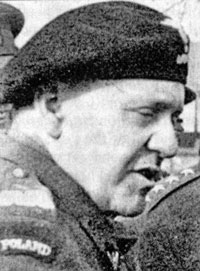
Fortune favoured the Poles in this regard. The commander of the Division, General Stanislaw Maczek, was Poland’s premier mechanized commander, and many of his subordinate officers from the unit he commanded in 1939 (The 10th Mechanized Brigade) had made their way to England with him.
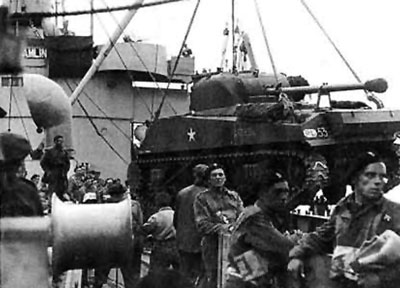
Organized on the British Armour Division model, they were initially equipped and trained on Crusader tanks. But in late 1943 and early 1944 these were replaced with Sherman tanks. The division waited, somewhat impatiently, to be committed to the Normandy campaign, and in late July the first units of the Division were shipped to the Normandy theatre.
|
 |
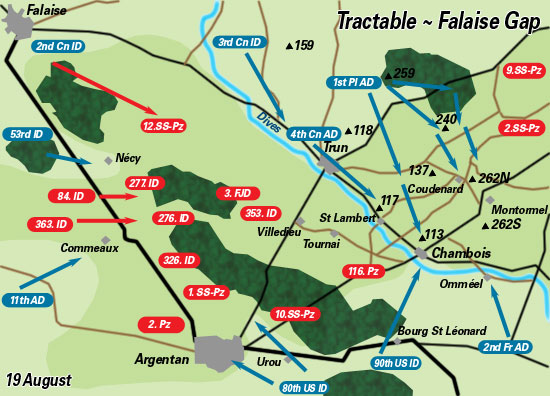 |
On 1 August, the entire Division was in theatre, and were attached to First Canadian Army. A week later, in Operation Totalize, it saw its first combat. Although its first combat was not effective, the Poles soon played an integral part in the Battle of Falaise.
At Mont Ormel "The Mace", Chambois, and Hill 262, the Poles fought and held against elements of the 2. and 12. SS-Panzerdivsions for almost a week, often against great odds and enduring incredible hardship.
|
|
Their actions on the Falaise battlefield earned them the admiration of the Allies and the respect, however grudgingly, of the Germans.
After Normandy
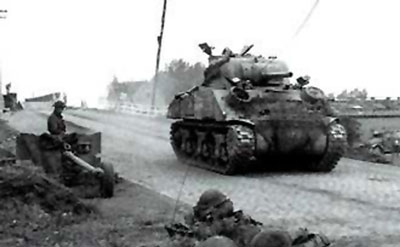
After the Normandy Breakout, the Division fought its way across Belgium and the Netherlands, liberating Ypres, Ghent, and Passchendale. A brilliant flanking manoeuvre by Mazcek forced the Germans out of Breda, allowing the Poles to take the city without firing a shot. The Division spent the winter of 1944 on the southern bank of the Rhine, and in 1944 it began liberating towns in Northern Germany.
|
 |
 |
In April the Division entered the Elmsland area, and on 1 May it entered Wilhelmshaven, where it accepted the surrender of the fortress, naval base, and 10 German Divisions.
The end of the war was not kind to the Poles in Western Europe. Many regarded the actions of Churchill and Roosevelt at Yalta as a betrayal, because they were not able to go and liberate their homeland. The Polish I Corps, of which 1st Armoured Division was now a part, stayed in Germany on garrison duty until 1947, when it was disbanded. Only a few of the men returned to their homeland; the rest went into exile in England and other Western countries.
|
|
In Flames Of War
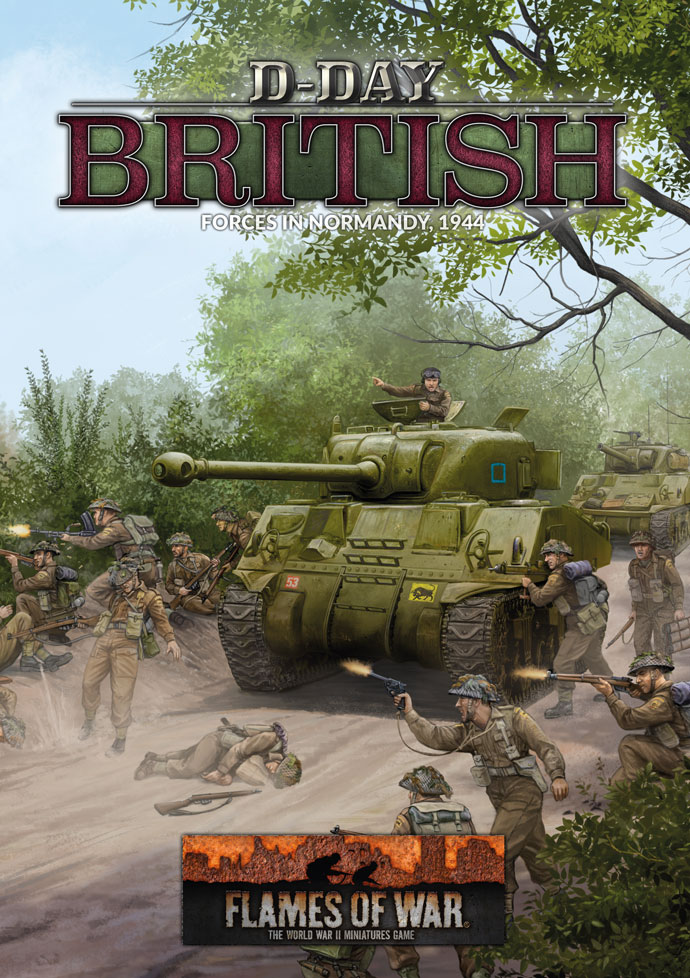
You can field the formations of the 1st Polish Armoured Division by using the Sherman Armoured Squadron from D-Day: British and the Black Devils Command Card from the D-Day: British Command Cards pack.
For more about their actions in Normandy see:
The Mace...
|
 |
Last Updated On Monday, April 20, 2020 by Wayne at Battlefront
|
|
|